Getting to a first down payment around Simcoe County can feel like running up an escalator that's going down — high rents make saving hard. The FHSA doesn't fix affordability, but it's the single most powerful savings account a first-time buyer can open, and most people either don't understand it or open it years later than they should. This is the deep-dive; for the wider set of first-time-buyer moves, see my guide to the options first-time buyers overlook.
What is the FHSA, and why is it such a big deal?
The FHSA combines the best feature of an RRSP with the best feature of a TFSA. Like an RRSP, your contributions are tax-deductible — they lower your taxable income the year you contribute. Like a TFSA, a qualifying withdrawal to buy your first home comes out completely tax-free. And while your money sits in the account, any growth is tax-free too. No other account gives you both the deduction going in and the tax-free withdrawal coming out. That's why I tell every first-time buyer to look at it first.
How much can you put in?
The FHSA currently allows up to $8,000 per year, to a $40,000 lifetime maximum. Unused annual room carries forward once your account is open, so opening it early — even with small deposits — lets contribution room start building. [VERIFY current annual and lifetime limits and carry-forward rules at canada.ca before relying on figures.]
The single most common mistake I see: waiting to open the FHSA until you're "ready to save seriously." Opening the account is what starts your room accumulating — so open it early, even if you only put in a little at first.
Who qualifies?
To open an FHSA you generally need to be a Canadian resident, at least 18 (or the age of majority where you live), and a first-time home buyer — broadly, someone who hasn't lived in a home they (or their spouse or common-law partner) owned in the current year or the previous four calendar years. [VERIFY the exact first-time-buyer definition and eligibility with canada.ca or a mortgage professional.] If that's you, there's very little reason not to open one.
FHSA vs. the RRSP Home Buyers' Plan vs. a TFSA
These three get confused constantly. Here's how they actually compare for a first-home down payment:
| FHSA | RRSP Home Buyers' Plan | TFSA | |
|---|---|---|---|
| Contributions lower your taxes? | Yes | Yes (they're RRSP contributions) | No |
| Growth taxed? | No | No (tax-deferred) | No |
| Withdrawal for a home taxed? | No (qualifying withdrawal) | No, if you repay it | No |
| Do you repay it? | No | Yes — repaid to your RRSP over time [VERIFY current terms] | No |
The key point: the FHSA and the RRSP Home Buyers' Plan are separate programs, and eligible first-time buyers can use both together — one of the most underused ways to build a down payment faster.
The buyers who get there fastest treat these programs as a stack, not a menu.
How to actually use it for your first home
- Open it early. This starts your contribution room accumulating — the earlier, the better.
- Contribute what you can each year, and claim the deduction on your taxes.
- Invest the balance so it grows tax-free (an FHSA can hold investments, not just cash).
- Make a qualifying withdrawal — tax-free — when you buy a qualifying first home you'll live in. [VERIFY what counts as a qualifying withdrawal at canada.ca.]
What if you don't end up buying?
Very little downside. If you don't buy a home, you can generally transfer your FHSA to an RRSP or RRIF tax-free, without using your RRSP contribution room. [VERIFY transfer and time-limit rules at canada.ca.] That's a big part of why opening one early is close to a no-lose decision.
Stack it with Ontario's advantages
The FHSA is even stronger where the numbers already favour you. First-time buyers in Ontario can also claim the land transfer tax rebate (up to $4,000), and buying in Barrie means you skip the second municipal land transfer tax that City of Toronto buyers pay. Pair a well-fed FHSA with those savings and lower Simcoe County entry prices, and a first home gets closer a lot faster than the headlines suggest. For the full picture, see the options first-time buyers overlook and my step-by-step first-time buyer guide.
FHSA quick answers
What's the FHSA contribution limit? Currently up to $8,000 per year, to a $40,000 lifetime maximum, with unused room carrying forward once the account is open. Confirm the current limits at canada.ca, since government figures can change.
Can I use the FHSA and the RRSP Home Buyers' Plan together? Yes. They're separate programs, and eligible first-time buyers can use both toward the same purchase — which is one of the fastest legitimate ways to build a down payment.
Do I have to buy a home to use the FHSA? No. If you don't buy, you can generally transfer the account to your RRSP or RRIF tax-free, so the money isn't lost — one reason opening one early carries so little risk.
Is the FHSA better than a TFSA for a down payment? For most first-time buyers, yes — the FHSA gives you an up-front tax deduction a TFSA doesn't, plus the tax-free withdrawal. Your own situation can vary, so it's worth confirming with a mortgage or financial professional.
When should I open an FHSA? As early as you reasonably can. Opening the account is what starts your contribution room building, even if you only deposit a little at first — waiting simply costs you room.
The bottom line
Program rules shift, so always confirm the current details — the official FHSA rules are on canada.ca — and then build your plan backward from a target date. Want an honest read on what "ready to buy" looks like for you? Book a free consultation — no pressure, just a roadmap. Se habla español.
This guide is general, experience-based information about the FHSA — not financial, tax, or legal advice. Program limits, eligibility, and rules change; confirm current details at canada.ca and with a licensed mortgage or financial professional before making a decision. Last updated July 2026.
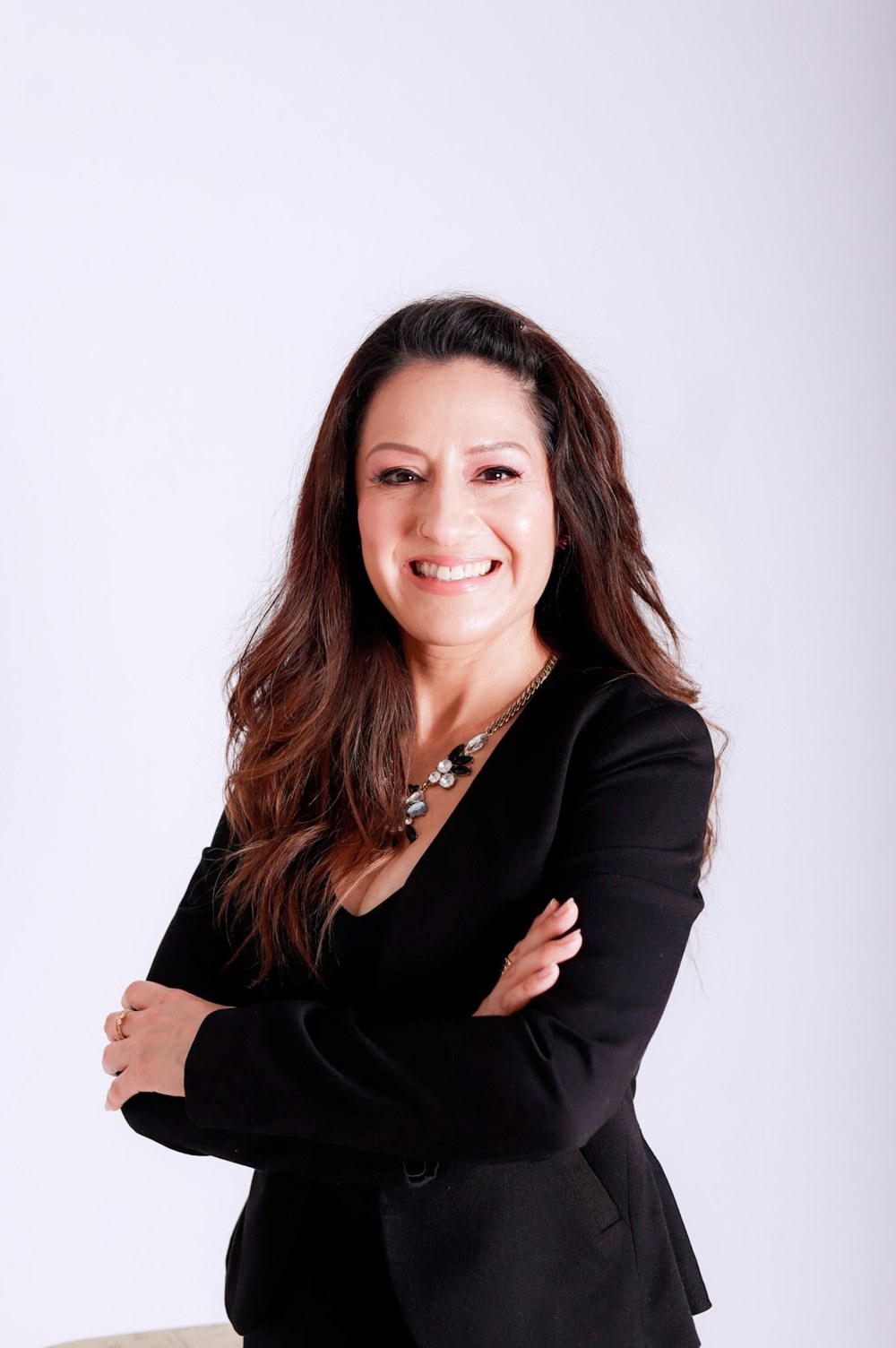
Lindsay Benavides
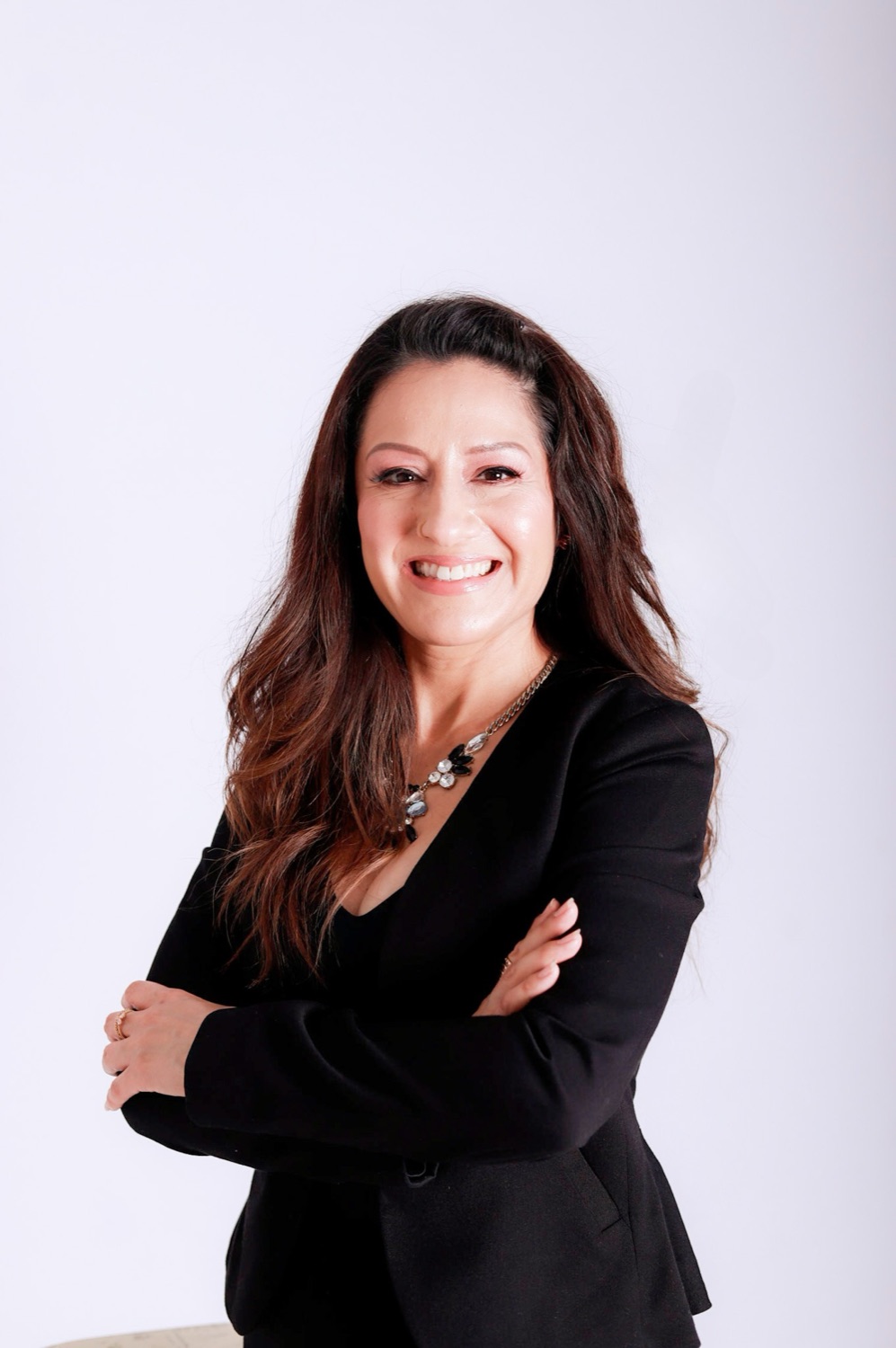
A proud Latina REALTOR® with Keller Williams Realty Centres, helping first-time buyers across Barrie and Simcoe County turn saving into a real, workable plan for a first home. Se habla español.
Ask Lindsay About Buying Your First Home