Plenty of Simcoe County families bought at higher rates or stretched at the peak, and now the house takes so much of the paycheque that everything else — savings, trips, breathing room — gets squeezed. It even has a name: house-poor. The good news is it's a math problem, and math problems have answers.
The honest test
Add up your full housing bill — mortgage, property tax, heat, hydro, insurance. If it regularly consumes more than about 40% of your gross household income, you're in stretched territory; if it crowds out savings entirely, you're house-poor by any practical definition. No shame in it — just a signal to act.
Option one: restructure the debt
Sometimes the house is fine and the mortgage is the problem. Refinancing, extending amortization, or consolidating higher-interest debt into the mortgage can drop the monthly burden meaningfully. This is a conversation for a mortgage professional — and often the first one worth having, because it lets you keep the home.
House-poor isn't a life sentence. It's a fork: restructure, rent out, or right-size.
Option two: make the house earn
A basement suite or garden suite can turn your biggest expense into a partially self-funding asset. Rules in Barrie and across Simcoe County have opened up considerably for secondary units — worth exploring before more drastic moves.
Option three: right-size without shame
Selling and buying smaller — or moving one town over where the same money buys more — isn't going backwards. Families who right-size consistently tell me the same thing: they wish they'd done it a year sooner. With today's inventory, the move is more doable than it's been in years.
The bottom line
Run the numbers before the numbers run you. If you want a confidential look at what your home would sell for and what your options are, start with a free evaluation — no pressure, ever.
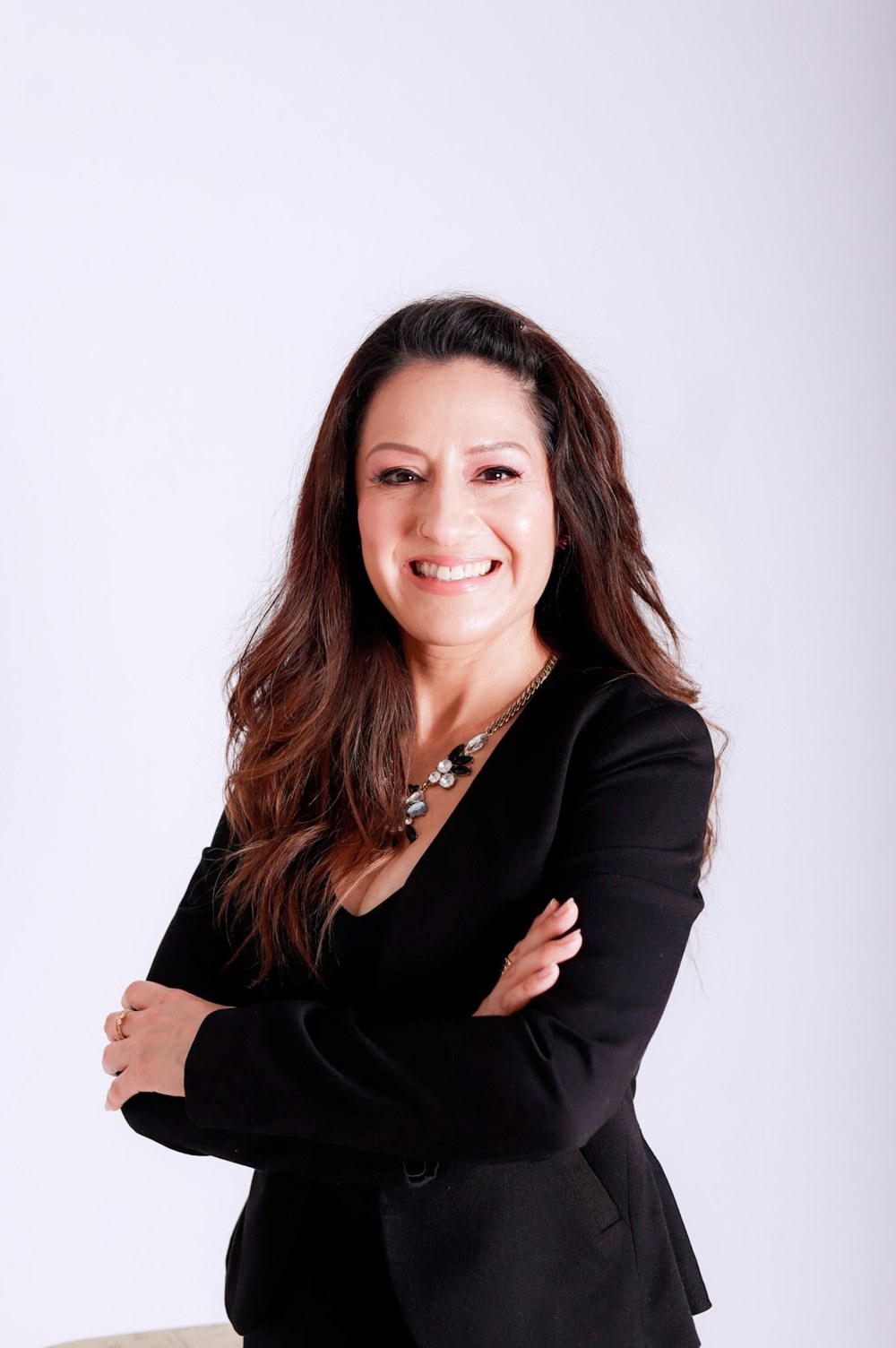
Lindsay Benavides
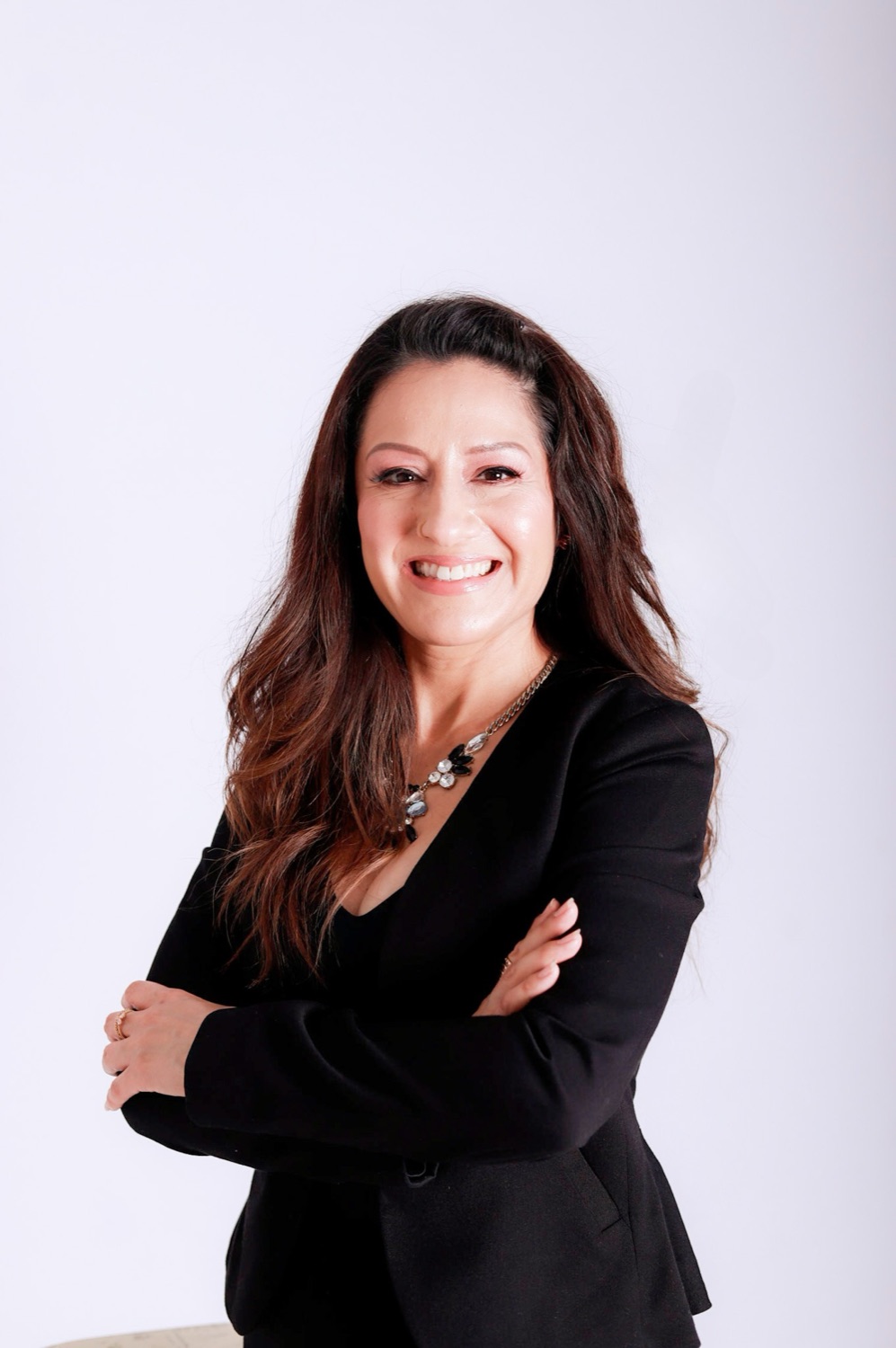
A proud Latina REALTOR® with Keller Williams Realty Centres, helping buyers, sellers, and investors across Barrie and Simcoe County build stability and generational wealth through homeownership. Se habla español.
Ask Lindsay About Your Neighbourhood