Buying your first home can feel like a giant, confusing wall of numbers. It isn't, really — it comes down to two questions: how much cash do you need up front, and how much income do you need to get the loan. Let's answer both in plain language, using a normal Barrie home as the example. Then I'll lay out the easy steps so you know exactly what to do next.
Part 1: The down payment
Good news first — you do not need 20% down to buy. That's the biggest myth that keeps people renting. In Canada, the minimum down payment works like this:
- 5% on the first $500,000 of the price.
- 10% on any part of the price above $500,000.
If your down payment is under 20%, you'll also pay for mortgage default insurance (often called CMHC insurance). It's a one-time cost that usually gets added onto your mortgage, and it's what lets you buy with a smaller down payment — a fair trade for most first-time buyers. [VERIFY current down-payment thresholds and insured-mortgage rules with a licensed mortgage professional — these can change.]
What that looks like on an average Barrie home
Let's use $650,000 as an example — roughly where a typical Barrie home has been sitting lately. [Illustrative price only — the real average shifts month to month; I'll pull current numbers for the type of home you want when we talk.] Here's the minimum down payment:
| The math | Amount |
|---|---|
| 5% of the first $500,000 | $25,000 |
| 10% of the next $150,000 | $15,000 |
| Minimum down payment | $40,000 |
So on a $650,000 home, you'd need about $40,000 down — not the $130,000 that "20%" would suggest. And if you look at a condo or townhome closer to $500,000, the minimum drops to just $25,000 (a flat 5%). Widening what you picture is one of the fastest ways to get in the door — more on that in first-time buyers have more options than you think.
You don't need 20% down. For most first-time buyers, that single fact changes everything.
Part 2: How much income do you need?
This is the question everyone really wants answered. The honest version: it depends on interest rates the day you apply and your full financial picture — but here's a realistic ballpark so you're not guessing.
When a lender approves you, they run a "stress test" — they check that you could still afford the payments at a higher rate than you're actually offered, so you're safe if rates rise. They also look at your monthly home costs (mortgage, property tax, heat) against your income.
A rough guide, using our $650,000 example
With the minimum down payment, a first-time buyer stretching the mortgage over 30 years, and today's stress-test math, you'd generally need a household income in the range of:
| Example home | Down payment | Rough household income to qualify |
|---|---|---|
| ~$500,000 (condo / townhome) | $25,000 (5%) | about $105,000–$115,000 |
| ~$650,000 (average home) | $40,000 | about $135,000–$145,000 |
Estimate only. Assumes minimum down payment, a 30-year amortization, an illustrative stress-test rate, typical Barrie property taxes and heating costs, and no other monthly debts. Your real number depends on current rates and your full situation — a pre-approval gives you the exact figure. Not mortgage advice.
Two things to notice — both encouraging:
- "Household" income means one or two people combined. For a couple who both work, these numbers are very doable. Many first homes are bought on two incomes.
- You have levers to lower the income you need: a larger down payment, paying off a car loan or credit card first (that frees up room), adding a co-buyer, or choosing a slightly lower price point. Small moves make a real difference.
Curious how rates factor in? I break that down in waiting for rates to drop? watch this instead. And you can run your own numbers anytime with the free calculators.
Part 3: The easy steps to your first home
Here's the whole journey, start to finish, in plain steps:
- Get pre-approved first. Before you look at a single house, talk to a mortgage broker or your bank. A pre-approval is free and tells you the exact price you can afford — so you shop with confidence, not hope.
- Add up your cash. That's your down payment plus closing costs — usually another 1.5%–4% of the price for things like land transfer tax, your lawyer, and a home inspection. (As a first-time buyer, a rebate wipes out much of Ontario's land transfer tax — see the next step.)
- Use the first-timer perks. These are free money and savings most people miss:
- First Home Savings Account (FHSA) — save for your down payment, get a tax break, and take it out tax-free for your first home.
- RRSP Home Buyers' Plan — borrow from your own RRSP toward the down payment, tax-free, and pay it back over time. [VERIFY current withdrawal limit.]
- Ontario land transfer tax rebate — first-time buyers get back up to $4,000, which often covers the whole provincial tax on a starter home. And in Barrie you skip Toronto's second municipal land transfer tax entirely.
- Team up with a REALTOR®. For buyers, my help is free — the seller's side typically covers it. I'll line up homes that fit your budget, book the showings, and make sure nothing gets missed.
- Tour, then make an offer. When the right one shows up, we write an offer with the conditions that protect you (financing, inspection).
- Do your checks and close. A home inspection, your lender finalizing the mortgage, your lawyer handling the paperwork — then you get the keys. That's it. You're a homeowner.
Common first-home questions
How much do I need to buy a house in Barrie? On an average home around $650,000, plan for roughly $40,000 as a minimum down payment, plus about 1.5%–4% of the price for closing costs. A lower-priced condo or townhome needs meaningfully less. Your exact number comes from a quick pre-approval.
Do I really not need 20% down? Correct. Qualified buyers can start with as little as 5% on the first $500,000. Putting down less than 20% just means paying for mortgage default insurance, which is normal for first-time buyers.
What income do I need? As a rough guide, an average Barrie home takes a household income in the ballpark of $135,000–$145,000 with minimum down — and less for a lower price point. Remember that's one or two incomes combined, and a pre-approval gives you the real, exact figure.
What's the very first thing I should do? Get a pre-approval. It's free, it's quick, and it turns "I hope I can afford this" into "I know exactly what I can do."
The bottom line
Your first home is more within reach than the big scary numbers suggest — a normal Barrie home starts around $40,000 down, not $130,000, and the income to qualify is very doable on two incomes with the right prep. The best next step costs nothing: reach out and tell me where you're starting from, and we'll map out your down payment, the programs you qualify for, and what's realistically within reach in Barrie and Simcoe County. Se habla español.
This guide is general information for first-time buyers — not financial, mortgage, tax, or legal advice. The dollar figures are illustrative examples, not quotes or guarantees. Down-payment rules, program limits, interest rates, and home prices change; confirm current details and your own numbers with a licensed mortgage professional and your REALTOR® before making a decision. Last updated September 2026.
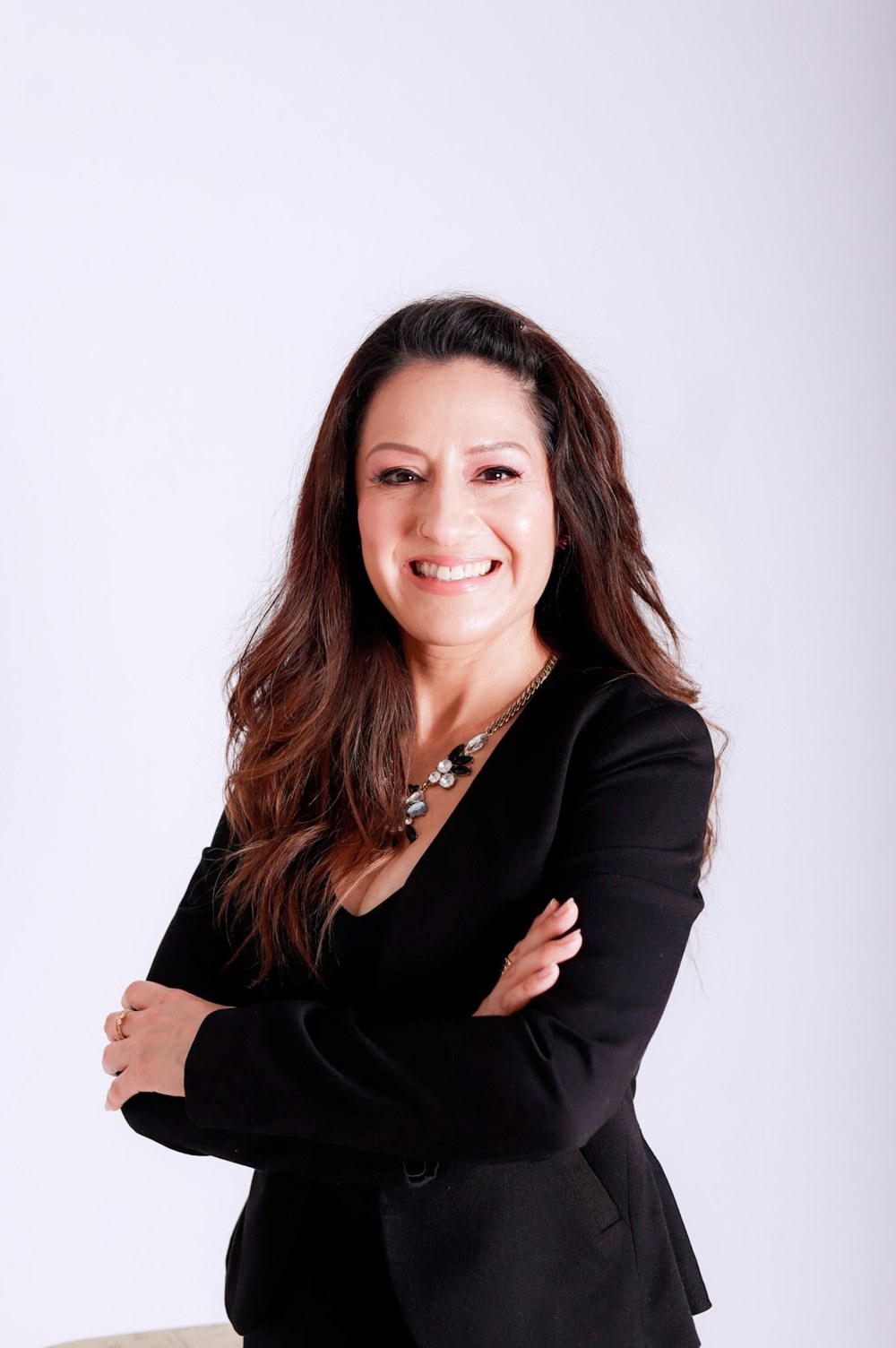
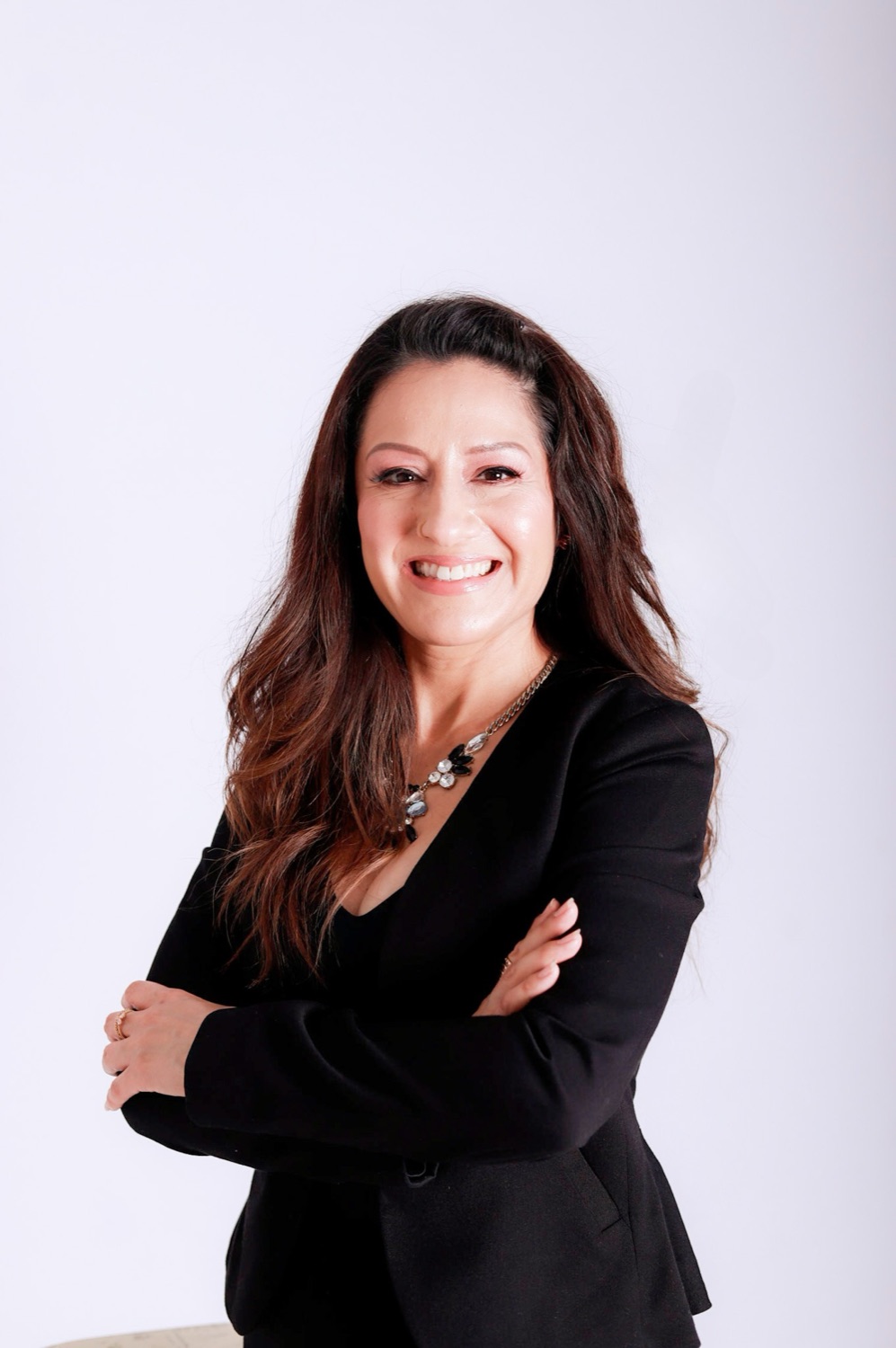
Lindsay Benavides
A proud Latina REALTOR® with Keller Williams Realty Centres, helping first-time buyers across Barrie and Simcoe County turn "someday" into a set of keys — one simple step at a time. Se habla español.
Ask Lindsay About Your First Home